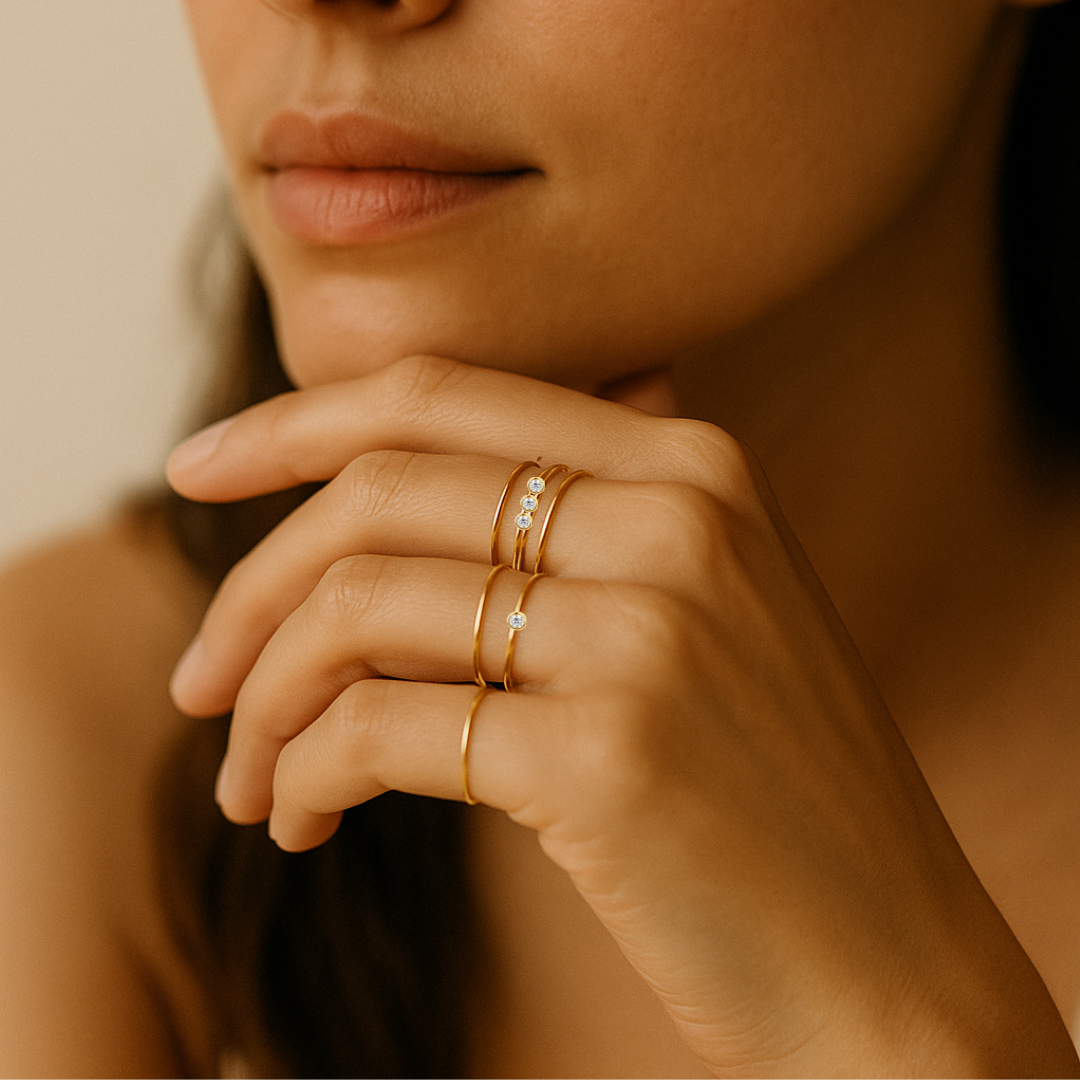
20% off Stacking Rings
Mix & Match!
Enjoy 20% off when you purchase 3+ rings with code STACKTHREE..
STACKTHREE


Should you take off your opal ring before washing your hands? Can you wear an opal necklace every day? Does sunlight or water actually damage opals? If you've ever had questions like these, you're not alone. Many opal owners aren't sure what's safe and what's simply a myth.
While opals do need a little more care than some other gemstones, looking after them is much easier than it sounds. A few simple habits can help protect their natural beauty and keep them looking their best for years.
In this guide, you'll learn everything you need to know about opal jewelry care, including how to clean, wear, and store your opal jewelry properly, what can damage it, and the best ways to keep every piece looking beautiful for years to come.
Before you clean or store anything, it helps to know which kind of opal you own. This is the part most care guides skip, and it's why online advice seems to contradict itself. "Never let opal touch water" and "opal is fine in the shower" can both be true, just for different stones.
Solid opal is opal all the way through, with no layers glued on. It's the most stable type, handling brief water exposure and normal humidity without much trouble, and the most forgiving for an active lifestyle.
A doublet is a thin slice of opal bonded to a dark backing to intensify color. A triplet adds a clear cap on top, often quartz or glass, for extra shine. Both look beautiful, but the bonding layer is a weak point: water and humidity can seep into the glue, causing the layers to separate or cloud.
Ethiopian opal is a hydrophane opal, meaning it's porous and actually absorbs water. It can turn temporarily transparent or shift color after contact with moisture, then look normal once dry, but repeated wet-to-dry cycles stress the stone and can cause lasting changes.
Unlike diamonds, sapphires, or rubies, opals don't have a crystal structure. Instead, they're made of tiny silica spheres with 3%–21% water content, which is why they require gentler care than many other gemstones.
💎 Mohs Hardness: 5.5–6.5, making opals softer than sapphires (9) and diamonds (10).
💧 Water Content: Typically 3–21%, depending on the type of opal.
🌈 Play-of-Color: Precious opals display flashes of rainbow colors because light diffracts through microscopic silica spheres.
🌍 Australia: Produces around 90–95% of the world's precious opals, making Australian opals the global benchmark for quality.
🔥 Heat & Impact: Rapid temperature changes, hard impacts, and harsh chemicals can damage an opal's surface or cause fine cracks known as crazing.
✨ Long-Lasting Beauty: With proper cleaning, careful storage, and mindful everyday wear, natural opal jewelry can maintain its beauty for decades.
✔ Good to Know: While opals are more delicate than many gemstones, they're not too fragile to enjoy. With a few simple care habits, your opal jewelry can remain vibrant and beautiful for years to come.
Wearing your opal jewelry regularly is perfectly fine as long as you treat it with a little extra care. A few simple habits can help protect the stone from scratches, impacts, and unnecessary wear while keeping it looking beautiful every day.
Beauty products can leave a residue on both the gemstone and the metal setting. To minimize exposure, make your opal jewelry the final step in your routine.
Apply these products before putting on your jewelry:
This simple habit helps preserve your opal's natural shine and reduces contact with chemicals that may affect the stone over time.
Although opals are suitable for everyday wear, they're not designed for every activity. Remove your jewelry before tasks that could expose it to impact, moisture, or harsh chemicals.
Take off your opal jewelry before:
Removing your jewelry for just a few minutes can help prevent scratches, chips, and unnecessary stress on the setting.
Among all jewelry types, rings experience the most daily wear because your hands are constantly in use. They are more likely to bump against hard surfaces like countertops, door handles, and desks.
To keep your opal ring in great condition:
A little extra attention goes a long way in preserving the beauty of your opal ring for years to come.
The core method stays the same across every piece: a soft cloth, lukewarm water, and a drop of mild, fragrance-free soap. Skip anything abrasive, and never use an ultrasonic or steam cleaner, since both can crack or cloud the stone.

Opal hoop earrings are easy to keep clean with a little regular care.

A gentle cleaning routine helps your necklace stay bright and beautiful.

How to Clean an Opal Ring

How to Clean Opalite Stud Earrings

Handle threader earrings gently to protect their delicate chain.
How you store your opal jewelry can have a big impact on its long-term beauty. A few simple precautions can help prevent unnecessary wear and protect the stone over time.
A soft, fabric-lined pouch or padded jewelry box compartment is the standard for opal. The goal is keeping the stone from knocking against anything harder than it is, since even light contact can dull the surface. Avoid tossing opal loose into a drawer or bag with keys or coins.
Opal sits lower on the hardness scale than most popular gemstones, so anything harder, like diamond or sapphire, can scratch it on contact. Give each piece its own slot or pouch rather than sharing space with other jewelry.
Because opal holds water within its structure, dry heat and direct sun can slowly draw that moisture out, contributing to crazing. Store opal away from windowsills, radiators, and anywhere temperatures swing widely, like a car dashboard. A cool, stable drawer or closet shelf is ideal.
Since Le Serey's opal collection includes both genuine opal and opalite, understanding how each material should be cared for can help you choose the option that best fits your lifestyle. While both are beautiful, their durability and maintenance needs are quite different.
| Feature | Genuine Opal | Opalite |
|---|---|---|
| Material | Natural gemstone | Man-made glass |
| Appearance | Unique play-of-color with natural variations | Soft, glowing iridescent appearance |
| Durability | More delicate; requires careful handling | More resistant to everyday wear |
| Water Sensitivity | Some types (especially Ethiopian opals) can absorb water | Non-porous and not affected by water |
| Chemical Resistance | Avoid perfumes, lotions, and harsh cleaners | More tolerant of everyday products, though gentle cleaning is still recommended |
| Cleaning Method | Soft cloth, mild soap, and lukewarm water | Soft cloth with mild soap and water |
| Best For | Those who love natural gemstones and don't mind extra care | Those who prefer a beautiful, low-maintenance jewelry option |
| Everyday Wear | Suitable with proper care and mindful use | Better suited for frequent daily wear thanks to its durability |
Most opal damage happens during everyday activities, not because the stone is overly fragile. Avoiding a few common mistakes can go a long way in protecting your jewelry.
Sudden shifts, like walking from an air-conditioned room into summer heat, can stress opal's internal structure and lead to fine surface cracking over time.
Opal is porous enough that chemicals can settle into its surface and dull its shine. Apply perfume, lotion, and hairspray before putting jewelry on, and avoid chlorinated pool water and saltwater, which can affect the stone and weaken metal settings.
Because opal has low toughness, a hard knock against a countertop or door frame can chip it where a sturdier gem wouldn't be touched. This mostly affects rings and bracelets, since hands and wrists contact more surfaces daily.
Crazing is the fine, web-like cracking that can develop from dehydration or rapid temperature change. It's largely preventable with the habits above, and it's a reminder that opal benefits from regular wear, since the moderate conditions of being worn suit it better than a hot attic or a bone-dry safe.
Watch for these common warning signs:
🔍 Fine cracks or crazing on the stone
💥 Chips, scratches, or worn edges
🌫️ A dull or cloudy appearance
🔄 A loose or shifting stone in its setting
🎨 Noticeable changes in color or clarity
💡 Quick Tip: Check your opal in natural light every few months. If you spot any of these warning signs, stop wearing it and have it inspected by a professional jeweler.
Many of our opal pieces use bezel settings, where a rim of metal wraps around the stone's edge instead of holding it up with exposed prongs. That choice adds real protection against bumps and catches for a gemstone as sensitive to impact as opal.
Our collection spans gold-filled, sterling silver, and 14k solid gold settings. Gold filled and sterling silver are durable, hypoallergenic, and accessibly priced, and benefit from the same gentle cloth cleaning covered above. Solid gold settings tend to hold up longest against everyday tarnish, a natural choice for a piece meant to last decades.
Every opal and opalite piece we make is handcrafted to order in small batches, which means closer attention to how each stone is set and finished before it reaches you. Designer Rebekah Allen built Le Serey around the idea that jewelry should be effortless and long-lasting, not stressful to wear, and that shapes how our opal pieces are made from the first step.
Opal jewelry may require a little more attention than some other gemstones, but caring for it doesn't have to be complicated. Simple habits like gentle cleaning, proper storage, and removing your jewelry before certain activities can go a long way in protecting its natural beauty.
Whether you own a genuine opal or an opalite piece, understanding how to care for it will help preserve its color, shine, and craftsmanship for years to come. With the right care, your jewelry can remain just as beautiful as the day you first wore it.
At Le Serey, every handcrafted opal jewelry piece is thoughtfully designed for lasting beauty. By pairing quality craftsmanship with proper care, you can enjoy your favorite pieces every day with confidence.
Wipe your opal jewelry with a soft, damp cloth after wearing it. Avoid harsh chemicals, prolonged water exposure, and store each piece in a padded jewelry pouch away from direct sunlight and heat.
Yes. Opal jewelry can be worn daily, but it's best to remove it before showering, swimming, exercising, or doing household chores that involve water, chemicals, or impact.
Solid opal can tolerate brief contact with water, but Ethiopian opal, opal doublets, and triplets are much more sensitive to moisture and should be kept as dry as possible.
No. Soap, steam, chlorine, and saltwater can dull the stone, weaken metal settings, and reduce the lifespan of your opal jewelry. Remove your jewelry before bathing or swimming.
Clean opal jewelry using lukewarm water, a drop of mild, fragrance-free soap, and a soft cloth. Rinse gently if needed and dry the piece completely before storing it.
No. Ultrasonic and steam cleaners can crack, cloud, or permanently damage opal. Gentle hand cleaning is always the safest method.
Yes. Prolonged exposure to direct sunlight or extreme heat can dry out the stone and lead to crazing (fine surface cracks). Store opal jewelry in a cool, dry place when not in use.
Yes. Perfumes, lotions, hairsprays, and other cosmetics can leave residue on the stone and reduce its natural brilliance. Apply these products before putting on your jewelry.
With gentle handling and proper maintenance, high-quality opal jewelry can last for generations. Many vintage and antique opal pieces still display their beautiful play-of-color today.
If you're looking for high-quality opal jewelry, Le Serey offers a thoughtfully curated collection of opal rings, necklaces, earrings, and bracelets crafted with premium materials and timeless designs. Each piece is made to showcase the natural beauty of opal while offering lasting elegance for everyday wear and special occasions.
Join our newsletter for exclusive offers, new arrivals, and insider updates.
*By submitting your email, you agree to receiving promotional content. You can unsubscribe at any time. Offer on your first order over $100.